Black Hawk: A Signature Font That Combines Elegance and Authenticity
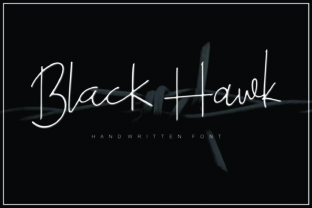
If you're looking for a font that brings a personal touch to your designs, Black Hawk might be exactly what you need. This handwritten font offers a unique blend of modernity and elegance, making it ideal for creating hand-lettered text that feels authentic and expressive. Whether you're a designer, marketer, or small business owner, Black Hawk can elevate your visual communication with its natural, signature-like appeal.
Unlike many generic fonts that lack character, Black Hawk stands out for its organic flow and subtle imperfections. These features give it an almost handwritten quality, which is perfect for projects that require a more personal or artisanal feel. From logos and branding materials to social media posts and promotional content, Black Hawk adds a level of sophistication that other fonts often miss.
Why Black Hawk Is Worth Considering
One of the main reasons people are drawn to Black Hawk is its ability to convey personality without being overly casual. It strikes a balance between formal and informal, making it versatile enough for both professional and creative applications. For instance, a wedding invitation using Black Hawk can feel more intimate and heartfelt than one using a standard serif or sans-serif font.
Another advantage is its readability. While it has a handwritten style, it doesn't sacrifice clarity. This makes it suitable for longer texts, such as blog posts, newsletters, or even book covers. The font’s structure ensures that each letter is distinct, so your message remains legible even in smaller sizes.
Common Mistakes When Using Black Hawk
Despite its benefits, some users make mistakes when working with Black Hawk that can diminish its impact. One common error is overusing the font. While it's tempting to apply it everywhere, doing so can make your design look cluttered or unprofessional. For example, using Black Hawk for an entire website or document may reduce readability and create a chaotic visual effect.
A related mistake is not considering the context of use. Black Hawk works best in designs that aim for a personal or artistic tone. If you're designing something that requires a more formal or technical appearance—such as a legal document or a scientific report—it might not be the right choice. Always match the font to the purpose of the project.
Choosing the Right Style and Weight
Black Hawk comes in different weights and styles, and selecting the wrong one can affect how your text looks. Some variations may be too bold or too light for your needs. Before downloading or purchasing, check the font samples to see which weight suits your design best. For example, a lighter version might work well for headings, while a heavier variant could be better for emphasis.
Misunderstandings About Font Licensing
Another area where users often go wrong is in understanding font licensing. Many people assume that buying a font allows unlimited use, but this isn’t always the case. Some licenses restrict commercial use, or require attribution in certain situations. Always review the license agreement before using Black Hawk in a professional setting. If you’re unsure, consult the font provider or seek legal advice to avoid potential issues.
How to Avoid Common Pitfalls
To get the most out of Black Hawk, start by defining your design goals. Ask yourself: What message do I want to convey? Who is my audience? What tone should the text have? These questions will help you decide if Black Hawk is the right fit. If you're still unsure, test the font in a few different contexts before committing to it.
Another practical tip is to pair Black Hawk with complementary fonts. Using it alongside a clean, neutral typeface can create a balanced and visually appealing layout. For example, pairing Black Hawk with a simple sans-serif like Arial or Helvetica can add contrast without overwhelming the design.
Realistic Examples of Better Approaches
Instead of using Black Hawk for every headline, try using it selectively. For instance, in a brochure, use it for the title and a few key phrases, while keeping the body text in a more readable font. This approach maintains the font’s uniqueness while ensuring the overall design remains functional.
When working on digital projects, test Black Hawk across different devices and screen sizes. Some fonts may look great on a desktop but become difficult to read on mobile screens. Always preview your work in various formats to ensure consistency and usability.
What to Check Before Using Black Hawk
Before downloading or purchasing Black Hawk, verify that it’s available in the format you need. Some fonts come in multiple file types, such as OTF, TTF, or web-friendly WOFF. Make sure the version you choose is compatible with your design software and intended platforms.
Also, consider the language support. If you’re using Black Hawk for multilingual content, check whether it includes all the necessary characters and diacritics. Some fonts may not support certain languages or special symbols, which could lead to display issues.
Conclusion: Make Informed Choices With Black Hawk
Black Hawk is a powerful tool for anyone looking to add a personal, elegant touch to their designs. However, like any font, it requires thoughtful application to achieve the best results. By avoiding common mistakes, understanding licensing, and testing the font in real-world scenarios, you can maximize its potential and enhance your creative projects.
Whether you're a beginner or an experienced designer, taking the time to learn about and properly use Black Hawk can make a significant difference in the quality and impact of your work. Always prioritize clarity, context, and compatibility to ensure your designs stand out in the right way.