Matondo Bold: A Unique Sans Serif for Standout Design
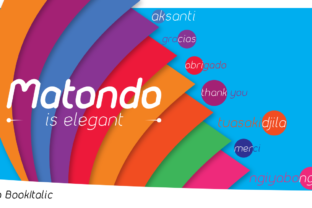
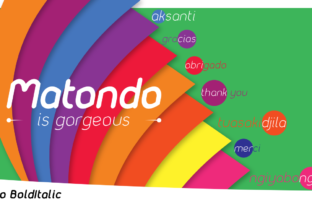
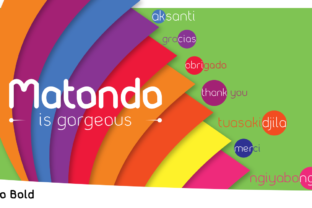
Matondo Bold is a striking sans serif typeface that stands out in the crowded world of digital typography. Its elegant design and distinctive shapes make it more than just a font—it's a visual statement. While many fonts aim for clarity and neutrality, Matondo Bold embraces a bold aesthetic that can elevate any design project. Whether used in branding, editorial layouts, or web interfaces, this font offers a fresh approach to typography that can differentiate a design from the rest.
The Matondo family includes multiple weights, with Matondo Bold being one of the most eye-catching. It balances readability with artistic flair, making it suitable for both display and functional use. This versatility makes it an appealing choice for designers looking for a font that can serve multiple purposes without sacrificing style.
What Makes Matondo Bold Distinct?
Matondo Bold distinguishes itself through its unique character shapes and overall structure. Unlike traditional sans serifs that prioritize uniformity and simplicity, Matondo Bold incorporates subtle variations that give each letter a sense of individuality. These details can make a significant difference in how a font feels—more dynamic and expressive than many of its counterparts.
The font’s stroke weight and spacing contribute to its modern yet refined appearance. The bold weight adds a strong presence, while the open counters and generous x-height ensure legibility even at smaller sizes. This balance between strength and clarity is a key factor in why Matondo Bold works well in both large-scale displays and more compact text blocks.
Another notable feature is the font’s adaptability across different mediums. Whether used in print, on-screen, or in motion graphics, Matondo Bold maintains a consistent visual identity. Its clean lines and geometric precision make it compatible with a wide range of design styles, from minimalist to more elaborate compositions.
Matondo Bold in Comparison to Similar Fonts
When evaluating Matondo Bold, it’s helpful to consider how it stacks up against other popular sans serif fonts. For example, fonts like Montserrat or Raleway are widely used for their clean, modern aesthetics. While these options offer excellent readability and flexibility, they often lack the distinctive character that Matondo Bold brings to the table.
Fonts such as Bebas Neue or Lobster are known for their bold, attention-grabbing styles, but they tend to be more limited in terms of usability. They may work well for headings or logos but can feel too stylized for body text. Matondo Bold, by contrast, strikes a better balance between visual impact and practical application.
In the realm of display fonts, Matondo Bold offers a middle ground. Some display fonts prioritize extreme uniqueness, which can sometimes compromise legibility. Others lean too heavily on minimalism, resulting in a less memorable look. Matondo Bold avoids these extremes, offering a design that is both memorable and functional.
Strengths and Tradeoffs of Matondo Bold
One of Matondo Bold’s greatest strengths is its ability to add personality to a design without overwhelming the viewer. Its distinct shapes and confident strokes make it ideal for projects that require a strong visual identity. This makes it particularly useful in branding, where a font can play a key role in shaping a company’s image.
However, Matondo Bold may not be the best choice for every situation. Its bold weight and unique characteristics can make it less suitable for long-form text. In such cases, a more neutral sans serif might be preferable for readability. Additionally, because of its distinctive style, it may not blend as seamlessly into a design as some more standard fonts.
Designers should also consider the context in which the font will be used. For instance, in a professional setting, a more restrained font might be more appropriate. In creative or artistic contexts, however, Matondo Bold can be a powerful tool for making a statement.
When Matondo Bold Is the Right Choice
Matondo Bold shines in situations where visual impact is a priority. It is particularly effective for headlines, logos, and other design elements that need to capture attention quickly. Its boldness and elegance make it a natural fit for high-impact projects such as advertisements, posters, or digital banners.
For example, a designer working on a luxury brand’s website might find Matondo Bold useful for creating a sophisticated and modern look. Similarly, a marketing team launching a new product could use it to emphasize key messages and create a cohesive visual theme.
Matondo Bold also works well when paired with simpler fonts. Using it as a complementary element alongside a more neutral typeface can help maintain balance while still allowing the bold font to stand out. This approach is common in editorial design, where contrast and hierarchy are essential.
When to Consider Alternatives
While Matondo Bold has many advantages, there are scenarios where other fonts may be more appropriate. If a project requires a more subdued or neutral look, a font like Open Sans or Lato might be a better option. These fonts are highly readable and versatile, making them suitable for a broader range of applications.
For designs that need a more dramatic or decorative touch, fonts like Playfair Display or Great Vibes could be considered. These options offer a different kind of visual appeal, often leaning toward more traditional or ornate styles. However, they may not provide the same level of clarity or adaptability as Matondo Bold.
Ultimately, the choice of font depends on the specific needs of the project. Designers should evaluate factors such as readability, visual harmony, and the intended audience before settling on a particular typeface.
Practical Use Cases for Matondo Bold
Matondo Bold can be effectively used in a variety of real-world applications. For instance, in a magazine layout, it could be used for section headers or pull quotes to add visual interest without disrupting the flow of the content. In a corporate presentation, it might be used for title slides to create a strong first impression.
On the web, Matondo Bold can enhance the user experience by drawing attention to important elements such as call-to-action buttons or featured content. When used appropriately, it can guide the viewer’s eye and reinforce the overall design theme.
For social media graphics, Matondo Bold’s bold and distinctive style can help content stand out in a crowded feed. It can be particularly effective for brand-related posts, promotional materials, or event announcements where visibility is key.
Conclusion: Making an Informed Decision
Matondo Bold is a compelling choice for designers seeking a font that combines style with functionality. Its unique shapes and bold presence make it a strong option for projects that require a distinctive visual identity. However, it is important to consider the context and requirements of each design before making a final decision.
By understanding the strengths and limitations of Matondo Bold, designers can determine whether it is the right fit for their work. In many cases, it can be a valuable addition to a designer’s toolkit, offering a fresh and impactful alternative to more conventional typefaces.