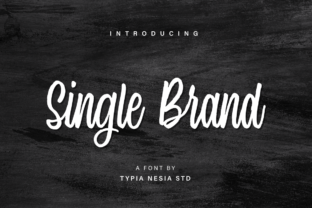
Single Brand: A Hand-Lettered Font for Unique Design Vibe
If you're looking for a font that brings a personal touch to your design work, Single Brand might be exactly what you need. This hand-lettered script is more than just a typeface—it's a style choice that adds texture and authenticity to any project. Whether you're designing a logo, creating social media content, or working on a branding campaign, Single Brand offers a fresh and creative alternative to standard fonts.
What Makes Single Brand Stand Out
Single Brand isn't like the typical digital fonts you find in most design software. It has a distinct handwritten feel with textured edges that give it a more organic look. This makes it perfect for projects where a human element is important. The irregularities in the letterforms add character, making each use of the font feel unique rather than repetitive.
Unlike many other script fonts that can look too similar or overly stylized, Single Brand strikes a balance between casual and professional. It's not too ornate, but it still carries that unmistakable handcrafted appeal. This versatility allows it to fit into a wide range of design contexts without feeling out of place.
Real-World Applications of Single Brand
One of the best things about Single Brand is its adaptability. It works well in both digital and print formats, making it a go-to choice for designers who want to maintain a cohesive visual identity across different platforms. For instance, if you're creating a brand identity for a small business, using Single Brand in the logo can help convey a sense of individuality and creativity.
It also shines in social media content. Platforms like Instagram and Pinterest often favor visually engaging posts, and a font like Single Brand can make your text stand out. Whether it's a caption, a quote, or a product title, adding a touch of hand-lettering can make your content more memorable and relatable.
Another area where Single Brand excels is in packaging design. If you're working on a product label or a custom box, this font can add a personal, artisanal feel. It's especially useful for businesses that want to emphasize craftsmanship, such as handmade goods, boutique brands, or independent creators.
Who Benefits from Using Single Brand
Designers, entrepreneurs, and creatives are the primary users of Single Brand, but its appeal extends beyond just professionals. Anyone looking to add a personal flair to their work can benefit from this font. For example, someone creating a wedding invitation might choose Single Brand to give the design a more heartfelt, one-of-a-kind feel.
Small businesses that want to differentiate themselves from larger competitors often turn to fonts like Single Brand. It helps them create a unique brand voice that feels authentic and approachable. This is particularly useful in industries like food, fashion, or lifestyle, where personality plays a big role in customer engagement.
Even non-designers can find value in using Single Brand. With the right tools, anyone can incorporate this font into their presentations, flyers, or marketing materials. It's a great way to elevate the visual quality of your work without needing advanced design skills.
Considerations Before Using Single Brand
Before jumping into using Single Brand, it's important to consider how it will perform in different contexts. While it's visually appealing, it may not be the best choice for all types of projects. For example, if you're designing something that requires high readability, such as a website or a document with large blocks of text, a more traditional font might be more appropriate.
Also, keep in mind that the textured edges and handwritten style of Single Brand can vary depending on the platform or software you're using. Some systems might render it differently, so it's a good idea to test it in your intended environment before finalizing your design.
Another consideration is licensing. Make sure you have the proper rights to use Single Brand in your specific project, whether it's for commercial use or personal work. Some fonts come with restrictions that could affect how you use them, so always check the license terms beforehand.
Strengths and Limitations of Single Brand
The biggest strength of Single Brand is its ability to add personality and warmth to a design. It's ideal for projects that require a more personal or artistic touch. Its texture and imperfections make it feel more genuine, which can be a powerful tool in building emotional connections with your audience.
However, there are some limitations to consider. As mentioned earlier, it may not be the best option for long-form text due to potential readability issues. Additionally, because it's a hand-lettered font, it might not pair well with certain other typefaces. You'll need to experiment with different combinations to find what works best for your design.
Despite these limitations, the benefits of using Single Brand often outweigh the drawbacks, especially when used in the right context. It's a versatile tool that can help you create designs that feel more human and less automated.
How to Incorporate Single Brand Into Your Workflow
Getting started with Single Brand is straightforward. First, download the font from a reliable source and install it on your computer. Once it's installed, you can access it through your design software, such as Adobe Photoshop, Illustrator, or even Canva.
When using it in your projects, start by experimenting with different sizes and spacing. Since it has a handwritten feel, adjusting the layout can help it look more natural. You might also want to combine it with other fonts to create a balanced composition.
Don't be afraid to play around with color and effects. Single Brand can look great in bold, solid colors, or when paired with subtle gradients. Adding shadows or outlines can also enhance its visual impact, depending on the effect you're going for.