Discover the Charm of Red Tomato: A Playful Hand-Drawn Script Font
In the world of typography, fonts are more than just a means of communication—they are an expression of personality, creativity, and style. One such font that stands out for its unique charm is Red Tomato. This playful hand-drawn script font is created with brush and ink, giving it a distinctive look that captures the essence of summer and gardening. In this article, we will explore what makes Red Tomato special, its purpose, and how it can be used in various contexts.
What is Red Tomato?
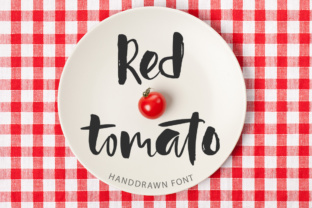
Red Tomato is a hand-drawn script font that mimics the natural flow of brush and ink. It features a dancing baseline and beautiful hand-drawn textures, making it feel like it was created by a human hand rather than a computer algorithm. The font's design is inspired by the vibrancy of summer and the joy of gardening, which gives it a warm and inviting aesthetic.
Unlike traditional serif or sans-serif fonts, Red Tomato has a more organic and fluid appearance. Its characters are not perfectly aligned, which adds to its charm and makes it stand out in any design project. This irregularity is intentional, as it reflects the imperfections and uniqueness of hand-drawn art.
The Inspiration Behind Red Tomato
The name Red Tomato itself suggests a connection to nature and the changing seasons. Summer is often associated with warmth, growth, and abundance, and this font embodies those qualities through its lively and dynamic design. The idea behind Red Tomato is to bring a sense of playfulness and creativity into typography, making it ideal for projects that aim to evoke a sense of fun and spontaneity.
Many designers and artists find inspiration in nature, and Red Tomato is no exception. Its design elements, such as the flowing lines and textured strokes, are reminiscent of the way plants grow and move in the wind. This connection to nature makes the font particularly appealing for use in branding, packaging, and other visual media related to agriculture, food, or outdoor activities.
Why Red Tomato Matters
Typography plays a crucial role in how information is perceived and understood. A well-chosen font can enhance readability, convey emotion, and reinforce a brand's identity. Red Tomato is especially valuable because it brings a sense of authenticity and character to any text it is used in.
One of the key reasons why Red Tomato is significant is its ability to add a personal touch to digital content. In an age where most fonts are highly uniform and machine-generated, Red Tomato offers a refreshing alternative that feels more human and expressive. This makes it a great choice for designers who want to create something that stands out from the crowd.
Moreover, Red Tomato is versatile enough to be used in a variety of contexts. Whether you're designing a logo, creating a social media post, or developing a website, this font can help you achieve a unique and memorable look. Its playful nature also makes it suitable for children's books, educational materials, and other projects that benefit from a friendly and approachable style.
How Red Tomato Fits Into Modern Life
In today's fast-paced digital world, the importance of visual communication cannot be overstated. From business presentations to online marketing campaigns, the way information is presented can have a significant impact on how it is received. Red Tomato is a perfect example of how typography can be used to enhance the overall message and engage the audience.
For businesses, using a font like Red Tomato can help create a brand identity that is both creative and memorable. It can be used in logos, product packaging, and promotional materials to convey a sense of fun and innovation. For educators, this font can make learning materials more engaging, especially when teaching subjects related to nature, science, or art.
In the realm of technology, Red Tomato can be used in user interfaces, mobile apps, and web design to add a touch of personality and warmth. While many tech companies rely on clean and minimalistic fonts, there is a growing trend towards using more expressive and artistic typefaces to differentiate themselves from competitors.
Practical Uses of Red Tomato
There are countless ways to incorporate Red Tomato into your work or personal projects. Here are a few examples:
- Branding and Logos: Use Red Tomato to create a unique and eye-catching logo that reflects the personality of your brand.
- Marketing Materials: Incorporate the font into brochures, flyers, and social media posts to make your message more visually appealing.
- Web Design: Add a touch of creativity to your website by using Red Tomato in headings, buttons, or other design elements.
- Print Media: Apply the font to posters, t-shirts, and other printed items to give them a handcrafted feel.
- Personal Projects: Use Red Tomato in your own creative endeavors, such as journaling, lettering, or DIY crafts.
One of the advantages of Red Tomato is that it works well with both light and dark backgrounds. Its contrast and texture make it easy to read while still maintaining its artistic flair. This versatility ensures that it can be used in a wide range of design applications without compromising its visual appeal.
Common Misconceptions About Hand-Drawn Fonts
While hand-drawn fonts like Red Tomato offer a unique aesthetic, they are sometimes misunderstood. Some people may assume that these fonts are difficult to read or not suitable for professional use. However, this is not always the case.
With proper spacing and formatting, hand-drawn fonts can be just as readable as traditional typefaces. In fact, their irregularities can actually make them more engaging and memorable. It's important to note that the effectiveness of a hand-drawn font depends on how it is used. When applied thoughtfully, it can enhance the overall design and communicate a specific tone or mood.
Another common misconception is that hand-drawn fonts are only suitable for casual or informal settings. While they may not be the best choice for formal documents, they can be used in a variety of professional contexts if the design is appropriate. For example, a hand-drawn font could be used in a creative agency's website to reflect the company's artistic values.
Conclusion
Red Tomato is more than just a font—it's a celebration of creativity, nature, and the beauty of handmade art. With its playful design and unique characteristics, it offers a fresh and engaging alternative to conventional typography. Whether you're a designer, educator, or simply someone who appreciates good design, Red Tomato is a font worth exploring.
By understanding the purpose and significance of Red Tomato, you can better appreciate how it contributes to the world of typography. Its ability to blend functionality with artistic expression makes it a valuable tool for anyone looking to add a touch of personality to their work. So next time you're choosing a font, consider the charm of Red Tomato and let it inspire your designs.