Jacklyne: A Rustic Brush Script for Fresh Designs
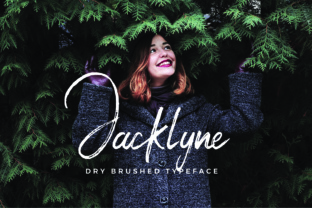
Jacklyne is a gorgeous and rustic brush script font that brings a unique blend of warmth and modernity to any design. Its organic, handcrafted feel makes it ideal for projects that aim to convey authenticity, creativity, or a personal touch. Whether you're working on branding, marketing materials, or editorial layouts, Jacklyne can elevate your visual storytelling with its expressive character.
Unlike many digital fonts that feel rigid or overly polished, Jacklyne mimics the natural flow of a brush stroke. This gives it a dynamic quality that can add energy and personality to headlines, logos, or display text. Its legibility in larger sizes ensures that it remains readable even when used as a primary typeface, making it a versatile choice for designers looking to balance style with functionality.
Why Jacklyne Matters for Designers and Creators
For professionals in creative fields, the right font can make a significant difference in how a message is received. Jacklyne offers a fresh alternative to more conventional typefaces, allowing designers to stand out without sacrificing clarity. Its rustic aesthetic works well with textured backgrounds, vintage graphics, or minimalist compositions, making it a flexible tool for various design styles.
Consider a small business owner launching a new line of handmade goods. Using Jacklyne in their logo or product labels can instantly communicate a sense of craftsmanship and individuality. Similarly, a blogger creating content around lifestyle or artisanal topics might use Jacklyne in headings to create a more inviting and approachable tone.
Practical Benefits of Using Jacklyne
One of the key advantages of Jacklyne is its ability to enhance visual hierarchy. Because it’s best suited for headlines or display text, it can help draw attention to important messages without overwhelming the reader. This makes it particularly useful in advertising, social media posts, or website banners where quick recognition is essential.
Another benefit is its compatibility with different design aesthetics. Whether you’re going for a cozy, earthy vibe or a clean, modern look, Jacklyne can adapt to fit the context. For example, a wedding planner might use it in invitations to evoke a rustic, romantic feel, while a tech startup could incorporate it subtly into a brochure to add a human element to their brand identity.
Who Can Benefit from Jacklyne?
Jacklyne is especially valuable for those who want to infuse their work with a personal or artistic flair. Entrepreneurs, marketers, and content creators often seek fonts that reflect their brand’s personality, and Jacklyne provides a strong visual identity without being too flashy. It’s also a great option for educators or publishers looking to make learning materials more engaging through typography.
Freelancers and independent artists may find Jacklyne useful for portfolio presentations or client proposals. Its distinctive style can help differentiate their work in a competitive market. Additionally, hobbyists or DIY enthusiasts might appreciate its versatility for crafting projects, such as custom cards, signs, or digital art.
Real-World Use Cases for Jacklyne
Imagine a local coffee shop redesigning its signage. By using Jacklyne in their logo and menu headers, they can create a warm, welcoming atmosphere that resonates with customers looking for a cozy, community-focused space. The font’s natural flow complements the tactile experience of a physical café, reinforcing the brand’s values through typography.
On the digital side, a fashion influencer might use Jacklyne in Instagram stories or carousel posts to highlight new collections. The font’s visual appeal can catch the eye of followers scrolling through content, making it an effective tool for engagement. In this context, Jacklyne serves both a functional and aesthetic purpose, helping to communicate style and personality.
Limitations and Considerations
While Jacklyne excels in display settings, it may not be the best choice for long blocks of body text. Its intricate details and varying stroke widths can reduce readability when used in smaller sizes or dense paragraphs. Designers should consider this when planning layouts that require extensive reading, such as articles or reports.
Additionally, users should ensure that Jacklyne is available in the appropriate language support if their project involves non-Latin scripts. While it works well for English and many other languages, some characters may not render as expected. Testing the font in different contexts can help avoid unexpected issues.
How to Get the Most Out of Jacklyne
To maximize the impact of Jacklyne, start by experimenting with different weights and spacing. Many fonts offer variations that can be used to create contrast and depth in a design. Pairing Jacklyne with a clean, sans-serif font like Roboto or Open Sans can balance its expressive nature with a more structured look.
When selecting a font, consider the overall tone of the project. If the goal is to convey professionalism and reliability, Jacklyne might need to be used sparingly. However, if the objective is to express creativity, emotion, or a connection to nature, it can be a powerful asset. Always test the font in real-world scenarios to ensure it meets the intended purpose.
Final Thoughts on Jacklyne
Jacklyne is more than just a font—it’s a design tool that can bring warmth, character, and uniqueness to any project. Its combination of rustic charm and modern appeal makes it a standout choice for those looking to create visually compelling work. Whether you're designing for a personal brand, a business, or a creative project, Jacklyne offers a way to express individuality while maintaining clarity and professionalism.
By understanding its strengths and limitations, users can harness the full potential of Jacklyne to enhance their designs and communicate their message more effectively. With thoughtful application, this font can become a key element in building a strong visual identity that resonates with audiences.