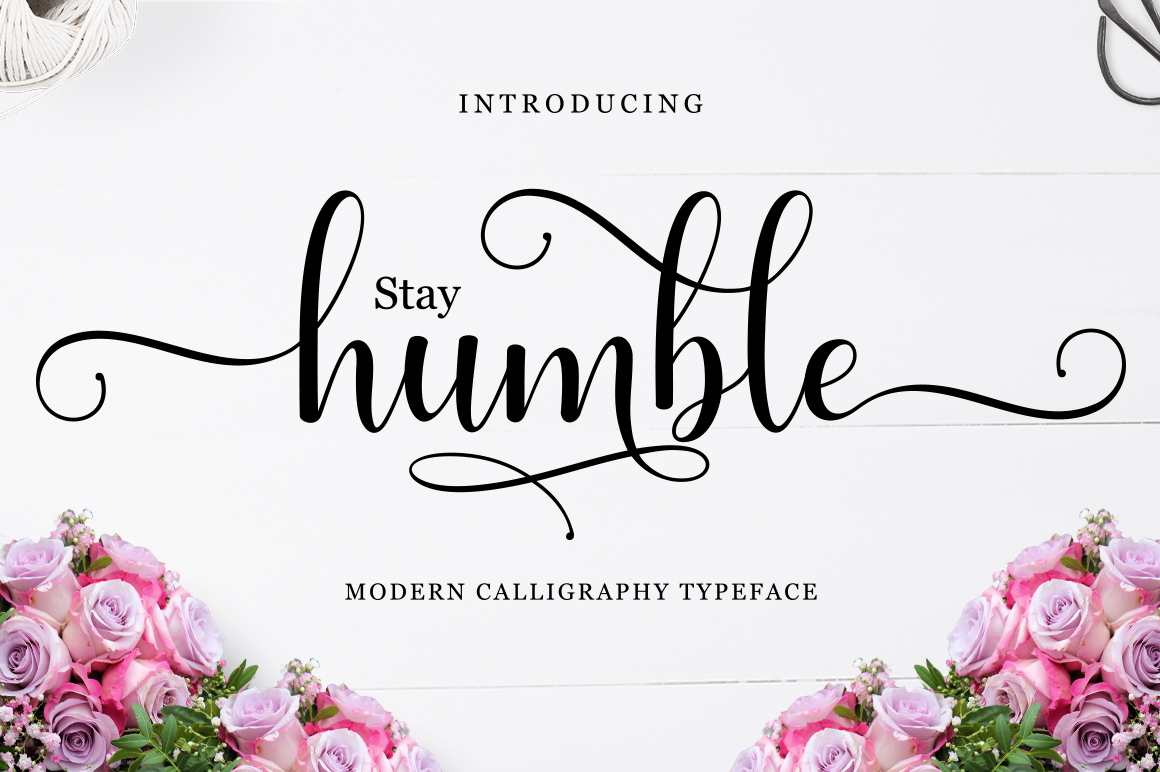
Maxwell: A Versatile Script Font for Modern and Retro Designs
Maxwell is a script font that blends the elegance of traditional calligraphy with the sharpness of modern typography. Its painterly style makes it ideal for logotypes, headlines, and creative projects where a personal touch is needed. Whether you're designing a brand, crafting a marketing campaign, or working on a digital project, Maxwell offers a unique balance of retro charm and contemporary appeal.
This font stands out because it doesn't just look good—it feels expressive. Its flowing lines and subtle variations give it a handcrafted quality that can elevate any design. However, like any tool, Maxwell requires thoughtful use to achieve the best results.
Understanding What Makes Maxwell Unique
Maxwell isn't just another script font. It's designed with a focus on readability and visual interest, making it suitable for both large headlines and smaller text elements. The font’s versatility allows it to work in a variety of contexts, from minimalist branding to bold artistic statements.
One of the reasons designers choose Maxwell is its ability to bridge the gap between old and new. Its retro influences evoke a sense of nostalgia, while its clean structure ensures it fits seamlessly into modern layouts. This duality makes it a go-to choice for creatives who want to add character without sacrificing professionalism.
Common Mistakes When Using Maxwell
While Maxwell is a powerful font, some users make mistakes that can undermine its effectiveness. One common error is overusing it in body text. Its intricate details can become hard to read when scaled down, leading to poor legibility and a cluttered appearance.
Another mistake is not considering the context of the design. Maxwell works best in visual hierarchies where it can stand out, such as headlines or logos. Using it in too many places can dilute its impact and create a chaotic layout.
Some designers also overlook the importance of pairing Maxwell with complementary fonts. Without the right supporting typefaces, the overall design can feel unbalanced or inconsistent. Choosing a clean, neutral font for body text often helps highlight Maxwell’s strengths without competing with it.
How to Avoid These Mistakes
To get the most out of Maxwell, start by using it strategically. Reserve it for headings, titles, or key visual elements where its personality can shine. Avoid using it in long paragraphs or small sizes, as this can reduce readability and diminish its aesthetic value.
Consider the overall design before applying Maxwell. Ask yourself: Does this font enhance the message or distract from it? If the goal is clarity, a simpler font may be more appropriate. If the goal is visual interest, Maxwell can be a strong choice.
Pairing Maxwell with other fonts is also essential. A sans-serif or serif font that contrasts with its script style can create a balanced and professional look. Experiment with different combinations to find what works best for your project.
What to Check Before Using Maxwell
Before incorporating Maxwell into your design, check the licensing terms. Some fonts have restrictions on commercial use, which could affect your project if you’re not careful. Always verify that you have the proper license for your intended use, whether it's for a business, blog, or personal project.
Also, test the font in different sizes and formats. Preview how it looks in print versus digital media, and ensure it scales well across various devices. This step can prevent unexpected issues and help maintain consistency in your final output.
Finally, consider the audience. If your design targets a professional or formal setting, Maxwell might need to be used more subtly. In contrast, a creative or artistic project can benefit from its bold, expressive nature.
Realistic Examples of Maxwell in Action
Imagine a small business owner creating a logo for a boutique café. By using Maxwell in the logo, they can convey a warm, inviting vibe that aligns with their brand identity. The font adds a personal touch that sets them apart from competitors using more generic typefaces.
On the other hand, a designer working on a corporate website might choose to use Maxwell sparingly. For example, they could apply it to a headline on the homepage to draw attention, while keeping the rest of the text in a more traditional font. This approach maintains professionalism while still leveraging the font’s visual appeal.
In a social media campaign, Maxwell could be used in a poster or graphic to catch attention. Its painterly style adds a dynamic element that stands out in a crowded feed, helping the content resonate more with the target audience.
Maxwell: A Tool for Creative Expression
Maxwell is more than just a font—it’s a tool for creative expression. Its blend of modern and retro styles makes it adaptable to a wide range of projects, from branding to editorial design. When used thoughtfully, it can add depth, personality, and visual interest to any composition.
However, its success depends on how it’s applied. Understanding its strengths and limitations, avoiding common pitfalls, and testing it in real-world scenarios are all key steps in maximizing its potential. With the right approach, Maxwell can become a valuable asset in any designer’s toolkit.
Whether you're a beginner exploring typography or an experienced designer looking for fresh inspiration, Maxwell offers a compelling option that balances creativity with practicality. By making informed choices, you can ensure that your designs not only look great but also communicate effectively.