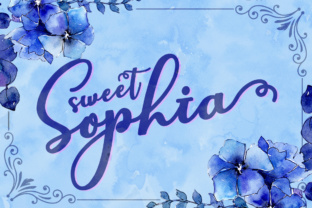
Sweet Sophia: The Handwritten Script Font Redefining Modern Design
In the ever-evolving world of design, where trends shift rapidly and new tools emerge daily, one element has consistently stood out for its timeless appeal: typography. Among the many fonts that have captured the attention of designers, creators, and entrepreneurs, Sweet Sophia has carved a unique niche for itself. This handwritten script font is more than just a stylistic choice—it's a reflection of a broader movement toward authenticity, personalization, and emotional connection in visual communication.
As businesses and individuals seek to stand out in a saturated digital landscape, the demand for distinctive and expressive typography has never been higher. Sweet Sophia, with its elegant curves and natural flow, offers a perfect blend of artistry and functionality. It’s no wonder that professionals across industries are turning to this font to add a touch of warmth and personality to their work.
The Rise of Handwritten Typography in a Digital Age
While digital tools have made it easier than ever to create professional-looking designs, there’s a growing desire for elements that feel human, unpolished, and genuine. This shift aligns with larger cultural trends emphasizing authenticity and individuality. In a world dominated by sleek, geometric typefaces, Sweet Sophia brings a refreshing sense of imperfection and character.
Handwritten fonts like Sweet Sophia are particularly popular in branding, social media content, and marketing materials where a personal touch can make a significant difference. They help brands connect with their audiences on a more emotional level, creating a sense of familiarity and trust. Whether used in a logo, a website header, or a promotional poster, Sweet Sophia adds a layer of depth that static, machine-generated fonts often lack.
This trend isn’t limited to the creative industry. Entrepreneurs and marketers are increasingly recognizing the value of typography as a tool for storytelling. A well-chosen font can convey a brand’s identity, values, and tone in ways that words alone cannot. Sweet Sophia exemplifies this by offering a versatile yet distinctive style that can be adapted to various contexts while maintaining its core aesthetic.
Why Sweet Sophia Is Gaining Attention
There are several reasons why Sweet Sophia has become a go-to font for designers and businesses alike. One key factor is its versatility. Unlike some script fonts that are too ornate or difficult to read, Sweet Sophia strikes a balance between elegance and legibility. It works well in both large-scale applications, such as headlines and banners, and smaller formats like email signatures and social media posts.
Another reason for its popularity is its ability to evoke a sense of nostalgia. The fluid, hand-drawn style of Sweet Sophia reminds many of old-fashioned handwriting, which can be especially appealing in an era where everything feels overly polished and artificial. This nostalgic quality makes it ideal for brands that want to communicate a sense of tradition, craftsmanship, or artisanal quality.
Moreover, Sweet Sophia fits seamlessly into modern design workflows. With the rise of design platforms like Canva, Adobe Express, and Figma, accessibility has become a major factor in font selection. Sweet Sophia is available on multiple platforms and is compatible with a wide range of design software, making it easy for users to incorporate into their projects without technical hurdles.
Connecting to Broader Industry Trends
The growing interest in Sweet Sophia reflects a larger shift in how people engage with design and technology. As consumers become more discerning, they’re looking for experiences that feel authentic and meaningful. This is evident in the rise of handmade products, personalized services, and community-driven brands—each of which benefits from the use of a font like Sweet Sophia.
In the realm of marketing, for example, there’s a clear move away from generic, one-size-fits-all messaging. Instead, brands are focusing on building deeper connections with their audiences through tailored content and visual identities. Sweet Sophia supports this approach by allowing for a more expressive and individualized design language. It enables brands to communicate their unique voice without sacrificing professionalism.
Similarly, in the tech industry, where user experience (UX) is a top priority, the use of human-like typography can enhance usability and engagement. Studies have shown that fonts that mimic handwriting can make content feel more approachable and trustworthy. Sweet Sophia aligns with this principle, offering a design solution that is both aesthetically pleasing and functionally effective.
Practical Applications of Sweet Sophia
One of the most compelling aspects of Sweet Sophia is its adaptability. It can be used in a variety of contexts, from simple text overlays to complex typographic compositions. Here are a few practical examples:
- Brand Identity: Many small businesses and startups use Sweet Sophia in their logos and branding materials to create a warm, inviting image. Its soft curves and organic flow help convey a sense of creativity and approachability.
- Social Media Content: Influencers and content creators often turn to Sweet Sophia for captions, quotes, and graphics that stand out in crowded feeds. Its distinctiveness helps content gain visibility and resonate with audiences.
- Marketing Materials: From email newsletters to print ads, Sweet Sophia adds a personal touch that can differentiate a campaign from the competition. It’s especially effective in campaigns targeting younger, more design-conscious demographics.
- Personal Projects: Freelancers, artists, and writers frequently use Sweet Sophia in portfolios, websites, and personal blogs to express their individuality and artistic flair.
These applications highlight the font’s flexibility and its ability to serve both commercial and personal purposes. Whether used in a high-stakes business project or a casual creative endeavor, Sweet Sophia maintains its charm and effectiveness.
Looking Ahead: The Future of Handwritten Typography
As design continues to evolve, the role of handwritten typography like Sweet Sophia is likely to grow even further. With the increasing emphasis on personalization and emotional intelligence in communication, fonts that bring a human element to digital content will remain in high demand.
Moreover, as AI and automation become more integrated into the design process, the need for unique, handcrafted elements will only increase. Sweet Sophia represents a counterbalance to the cold, rigid aesthetics of algorithm-driven design. It reminds us that, even in a digital world, the beauty of imperfection and individuality still holds value.
For professionals and creators looking to stay ahead of the curve, embracing fonts like Sweet Sophia is not just a stylistic choice—it’s a strategic one. By incorporating this handwritten script into their work, they can create a more engaging, memorable, and emotionally resonant experience for their audience.
In conclusion, Sweet Sophia is more than just a font; it’s a reflection of a changing design landscape where authenticity, personalization, and human connection are becoming increasingly important. As the industry moves forward, fonts like Sweet Sophia will continue to play a vital role in shaping the way we communicate and interact with the world around us.