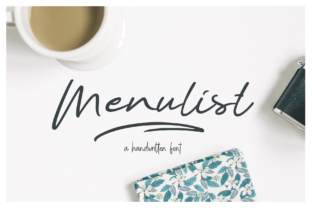
Menulist: A Handwritten Font for Creative Projects
Menulist is a signature-style handwritten font that brings a personal touch to any design. Its minimalist style makes it stand out in a world filled with generic typefaces. Whether you're working on a logo, a website, or a marketing campaign, Menulist offers a unique visual identity that can elevate your work.
Why Different Audiences Care About Menulist
Menulist isn't just a font—it's a tool that can be adapted to various creative and professional needs. The way different people use it depends on their goals, skill levels, and the projects they're working on.
For beginners, Menulist might be an easy way to add a custom feel to their designs without needing advanced typography skills. For professionals, it could offer a fresh alternative to standard fonts, helping them differentiate their work in a competitive market.
How Beginners Might Use Menulist
If you're just starting out in design or branding, Menulist can be a great choice. It’s simple to use and doesn’t require a lot of technical knowledge. You can apply it to social media posts, posters, or even personal projects like a blog or portfolio site.
Beginners may also appreciate its flexibility. Because it’s a handwritten style, it can give a more authentic, human feel to their work. This can be especially helpful if they’re trying to build a personal brand or connect with an audience on a more emotional level.
What Professionals Might Value in Menulist
Experienced designers and marketers often look for fonts that are both unique and versatile. Menulist fits this need by offering a clean, modern look that still feels personal. It works well in both digital and print formats, making it suitable for a wide range of applications.
Professionals might also value its ability to convey creativity without being too flashy. In a business context, this can help maintain a balance between innovation and professionalism. For example, a designer might use Menulist for a client’s logo to give it a distinctive yet approachable feel.
Creators and Entrepreneurs: A Personal Touch
Creators and entrepreneurs often rely on visual elements to tell their story. Menulist can help them express their brand personality in a more individualized way. Whether it's a music album cover, a product label, or a website header, the font adds a sense of authenticity and craftsmanship.
Entrepreneurs who run small businesses might find that using Menulist helps them stand out from larger competitors. A custom font can make their brand feel more personal and relatable, which can be a powerful advantage in building customer loyalty.
Educators and Students: Teaching Typography in Practice
For educators teaching design or typography, Menulist can serve as a practical example of how different fonts impact communication. It provides a real-world case study for discussing the importance of visual style and readability.
Students learning about graphic design might use Menulist to experiment with layout, contrast, and composition. It allows them to explore how a single font can change the overall look and feel of a project, encouraging them to think critically about their choices.
Business Owners and Marketers: Building Brand Identity
Business owners looking to create a strong brand presence might consider Menulist as part of their visual strategy. Its minimalist style can help reinforce a brand’s message without overwhelming the viewer. This is especially useful for brands that want to appear modern, trustworthy, and approachable.
Marketers can also benefit from using Menulist in campaigns. It can be used in headlines, banners, or social media graphics to capture attention while maintaining a clean, professional appearance. The font’s versatility makes it a good fit for both digital and physical marketing materials.
Consumers and Hobbyists: Adding Personality to Everyday Projects
Consumers and hobbyists who enjoy DIY projects, crafts, or personal branding might find Menulist useful for adding a unique flair to their work. It can be used in things like handmade cards, custom t-shirts, or personal websites.
Hobbyists who are passionate about design might use Menulist to experiment with different styles and see how a handwritten font can influence the overall aesthetic of their creations. It’s a fun and accessible way to explore typography without needing advanced tools or software.
Key Considerations When Choosing Menulist
When evaluating whether Menulist is right for your project, consider factors like ease of use, quality, and long-term usefulness. For some users, the simplicity of the font might be its greatest strength, while others may prioritize its visual appeal or adaptability.
Cost is another factor. While many fonts are available for free, premium versions often come with additional features, such as extended character sets or licensing options. Make sure to choose a version that fits your budget and project requirements.
Practical Examples for Different Users
A blogger might use Menulist for their website’s title or headings to create a more engaging and personalized reading experience. A small business owner could apply it to their logo or packaging to make their brand more memorable. A student might use it in a design project to demonstrate their understanding of typography principles.
Each of these examples shows how Menulist can be tailored to specific needs. By understanding your goals and preferences, you can determine whether this font will help you achieve the desired outcome.