Comic Panels for Creative Expression and Storytelling
Comic panels are a powerful tool for visual storytelling, offering a structured way to present narratives through sequential images. Whether you're an aspiring artist, a writer, or a designer, understanding how to use comic panels can open up new avenues for creativity and communication. The style of the text—loose, handwritten, and in a comic speech bubble format—adds a personal touch that resonates with audiences who appreciate the authenticity of handcrafted design.
What Are Comic Panels?
Comic panels are individual frames within a larger sequence that help tell a story visually. Each panel is a self-contained image or scene that contributes to the overall narrative. They can range from simple sketches to highly detailed illustrations, depending on the artist's style and the story's needs. The layout of panels can vary widely, with some stories using a grid-like structure while others employ more dynamic, irregular arrangements.
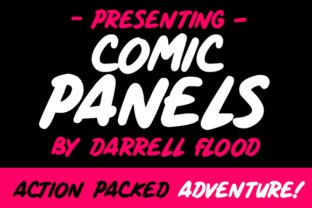
The choice of font plays a significant role in the tone and feel of the comic. A loose, handwritten font in a comic speech bubble style adds a sense of spontaneity and intimacy. This type of typography is especially popular in cartoon and superhero work, where the visual language often leans toward expressive, energetic, and whimsical elements.
Real-World Applications of Comic Panels
Comic panels aren't just for traditional comics. They have practical applications across various industries and creative fields. For instance, in education, teachers can use comic panels to break down complex concepts into digestible, visual chunks. This approach makes learning more engaging, especially for visual learners who benefit from seeing information presented in a different format.
In marketing, comic panels can be used to create compelling ad campaigns. Brands like Nike and Marvel have successfully incorporated comic-style visuals into their promotional materials, leveraging the emotional and narrative power of this medium. The use of a handwritten font in a speech bubble style can make these ads feel more relatable and human, bridging the gap between the brand and its audience.
For writers, comic panels offer a way to visualize scenes and dialogue. By sketching out key moments in a story, authors can better understand pacing, character interactions, and visual flow. This is particularly useful when working on graphic novels or scripts for animated content. The flexibility of comic panels allows for experimentation with different layouts and storytelling techniques.
Scenarios Where Comic Panels Shine
Comic panels are especially effective in scenarios that require clear, visual communication. For example, in user interface (UI) design, comic panels can help illustrate how a product works. By showing step-by-step interactions, designers can convey functionality in a way that’s easy to follow and visually appealing. This method is often used in onboarding processes or instructional guides.
In journalism, comic panels can be used to tell stories in a more accessible and engaging manner. News outlets like The New York Times have experimented with comic-style reporting to cover serious topics in a way that’s both informative and thought-provoking. The use of a handwritten font can add a personal, human element to these stories, making them more relatable to readers.
Comic panels also serve as a valuable tool for mental health and therapy. Art therapists often use comic strips as a means for clients to express emotions and experiences. The structured nature of panels helps individuals organize their thoughts, while the visual aspect provides a safe space for exploration and reflection.
How Different Users Benefit From Comic Panels
Artists and illustrators can use comic panels to develop their storytelling skills and build a portfolio. By experimenting with different panel layouts and visual styles, they can refine their craft and find their unique voice. The handwritten font style adds a personal flair that sets their work apart in a competitive industry.
Students and educators benefit from the visual learning aspect of comic panels. Teachers can use them to create lesson plans that cater to diverse learning styles, while students can use them to summarize information or create study guides. The combination of images and text helps reinforce memory and comprehension.
Business professionals can leverage comic panels for presentations and internal communications. Visual storytelling can simplify complex ideas and make meetings more interactive. The use of a comic speech bubble font can add a playful yet professional tone, making the content more memorable and engaging.
Considerations Before Using Comic Panels
Before diving into comic panels, it’s important to consider the purpose and audience. What message do you want to convey? Who is your target audience? These questions will influence the style, layout, and content of your panels. For example, a children’s book might use bold, colorful panels with large, readable text, while a graphic novel aimed at adults could feature more intricate details and subtle visual cues.
Another consideration is the tools and resources available. Digital software like Adobe Photoshop or Procreate offers a wide range of options for creating comic panels, while traditional artists may prefer pencils, ink, and paper. The choice of font should align with the overall aesthetic of the project. A loose, handwritten font can add a sense of authenticity, but it should be legible and consistent throughout the work.
Finally, time and patience are essential. Creating effective comic panels requires practice and refinement. Artists should experiment with different layouts, test readability, and seek feedback from others. The goal is to create a visual narrative that is both engaging and easy to follow.